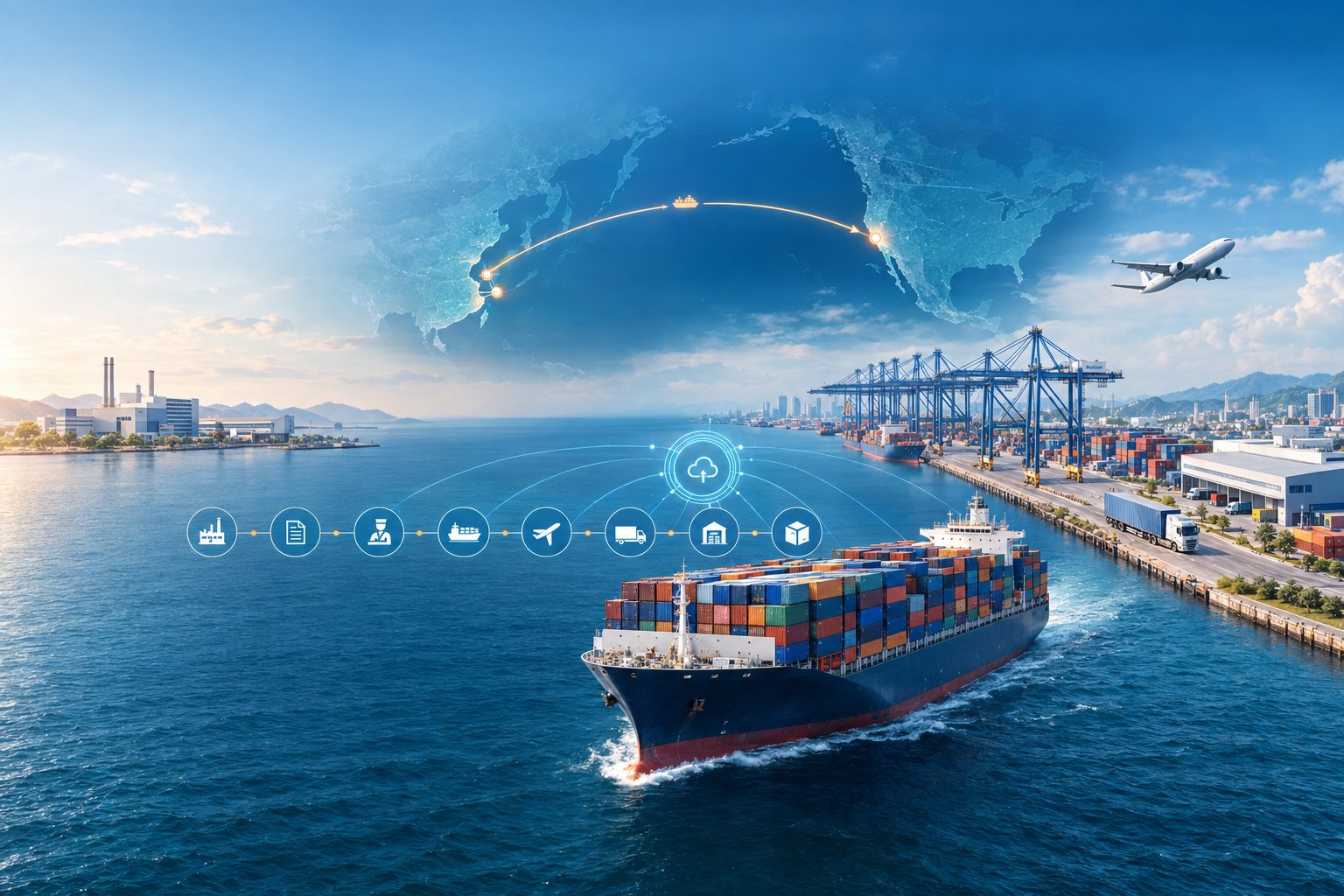
Door-to-Door Shipping Rates China to USA: Costs, Methods, and Key Considerations

Door-to-door shipping rates China to USA are a hot topic for importers, and you want the facts up front. If you’re comparing options, you need to know what really goes into these rates, not just the freight charges.
Unlike basic port-to-port pricing, door-to-door rates cover pickup from your Chinese supplier, ocean or air transport, customs clearance, duties, and that last delivery leg to your warehouse or fulfillment center.
Door-to-door shipping rates China to USA usually range from $3 to $8 per kilogram for air freight. For sea freight FCL, expect $500 to $3,000 per container, and for LCL consolidation, $50 to $150 per cubic meter is typical.
Final costs depend on your cargo’s weight, size, route, and even the time of year. Rates shift based on fuel surcharges, port congestion, and whether you go with DDP (Delivered Duty Paid) or DAP (Delivered at Place) terms.
Knowing exactly what your door-to-door shipping from China to the USA quote covers helps you dodge surprise charges. Your choice between sea freight, air freight, or express shipping will make a big difference in both your landed cost and how soon your products get where they need to go.
Contents hide
2 How Door-to-Door Shipping Works
2.1 Step-by-Step Shipping Process
2.2 Difference Between DDP, DAP, and Door-to-Door
2.3 When to Choose Door-to-Door Solutions
3 Main Shipping Modes and Route Options
3.1 Sea Freight Door-to-Door (FCL, LCL)
3.3 Express Courier and Urgent Shipments
4 Cost Breakdown and Factors Affecting Freight Rates
4.1 Sample Rate Calculations by Shipping Mode
4.2 Door-to-Door Shipping Rates China to USA: Key Cost Variables
4.3 Seasonal and Surcharge Considerations
5 Documentation and Customs Clearance Requirements
5.1 Essential Documents: Commercial Invoice, Bill of Lading, and Airway Bill
5.2 U.S. Customs Procedures and Compliance
5.3 Importer Security Filing and Customs Bonds
6 Taxes, Duties, and Incoterms Explained
6.1 Overview of Import Duties and Section 301 Tariffs
6.2 How Incoterms Impact Shipping Responsibility and Costs
7 Optimizing Logistics for E-Commerce and Amazon FBA
7.1 FBA Shipping Considerations
7.2 Cargo Consolidation and Deconsolidation
8 Port and Airport Choices for China–USA Shipments
8.1 Key Chinese Port and Airport Hubs for Door-to-Door Shipping Rates China to USA
8.2 Main U.S. Gateways and Inland Trucking for Door-to-Door Shipping Rates China to USA
10.1 How is the door-to-door shipping cost from China to the USA calculated per kilogram?
10.2 What factors most affect the final door-to-door shipping price from China to the USA?
10.3 How do sea freight and air freight compare for transit time and total door-to-door cost?
https://www.youtube.com/watch?v=pBLJf7RK1DI
RELATED Shipping Rates China to USA: Costs, Methods & Key Charges Explained
Key Takeaways
Door-to-door rates include pickup, transport, customs clearance, duties, and final delivery to your location.
Sea freight offers the lowest per-unit cost, while air and express provide faster delivery at higher prices.
Understanding Incoterms, documentation, and duty calculations helps you control total shipping costs.
RELATED Container Shipping Rates China to USA: Costs, Ports, and Process
How Door-to-Door Shipping Works
Door-to-door shipping rates China to USA aren’t just numbers—they reflect a full-service process. Your freight forwarder manages everything from pickup at the supplier’s place to final delivery at your warehouse or business.
You get one point of contact who handles export customs, international transport, import clearance, and last-mile delivery. It’s supposed to be as hands-off as possible for you.
Step-by-Step Shipping Process
When you book door to door shipping from China, here’s how things usually go. First, your logistics partner picks up cargo from your supplier’s factory or warehouse in China.
They take care of all inland transport to the departure port or airport. Your freight forwarder handles export customs clearance and files the needed documents with Chinese authorities.
Then, your shipment moves by ocean or air freight to the USA. The time this takes depends on your chosen method and route.
When the shipment arrives, the freight forwarder clears your goods through US customs. If you picked DDP terms, they pay duties and taxes for you. After that, they arrange inland transport from the port or distribution center to your address, finishing the delivery to your door.
Difference Between DDP, DAP, and Door-to-Door
Shipping terms can be confusing, but they matter for your bottom line. Delivered Duty Paid (DDP) means your freight forwarder pays all duties, taxes, and fees, so you get one all-inclusive price with no surprises at delivery. It’s the most hands-off option for door to door shipping.
Delivered at Place (DAP) covers shipping and customs clearance, but you pay import duties and taxes separately. Your logistics partner still handles delivery, but you’ll get an extra bill for customs fees.
Door-to-door describes the overall service, while DDP and DAP explain who pays for what. Most businesses lean toward DDP because it’s easier to budget and you won’t get hit with unexpected charges.
When to Choose Door-to-Door Solutions
Honestly, door-to-door shipping rates China to USA make the most sense if you want simple logistics and less hassle. If you’re new to importing and don’t have good contacts with customs brokers or trucking companies, this option saves a lot of headaches.
Working with one freight forwarder is just easier than juggling vendors for each shipping stage. Amazon FBA sellers often pick this for direct delivery to fulfillment centers, especially when appointments are needed. It’s also great if you’re shipping smaller volumes and don’t have a logistics team.
If predictable pricing matters more than squeezing every penny, the all-inclusive rates are worth it. Sometimes, convenience really does win.
RELATED China to USA Shipping Cost: 2026 Rate Guide and Factors Affecting Freight Prices
Main Shipping Modes and Route Options
Door-to-door shipping rates China to USA depend a lot on which mode you choose. There are three main ways: sea freight (FCL and LCL), air freight, and express courier. Each one has its own transit times, pricing, and capacity limits, all of which affect your final costs and delivery timing.
Sea Freight Door-to-Door (FCL, LCL)
Sea freight door-to-door combines ocean shipping with inland trucking, getting your cargo from the supplier’s place in China straight to your US warehouse. You can pick FCL (Full Container Load) or LCL (Less than Container Load) based on how much you’re shipping.
FCL works best if you can fill at least half of a 20-foot container. You get the whole container to yourself, which usually means quicker port processing and less risk of damage. Standard sizes are 20ft and 40ft, with 40ft high cubes for lighter but bulkier cargo.
LCL is for smaller shipments that don’t need a whole container. Your goods share space with others, and you pay only for the cubic meters you use. The catch? LCL involves consolidating at origin and deconsolidating at destination, adding 3-7 days to your total transit time.
Sea freight door-to-door options usually take 18-35 days from major Chinese ports like Shanghai, Ningbo, or Shenzhen to the US. Transit time depends on whether your cargo lands on the West Coast (faster) or East Coast (longer ocean trip but maybe shorter inland trucking).
Air Freight Door-to-Door
Air freight door-to-door moves your cargo by plane from China to US airports, then finishes delivery by truck. This is the way to go for time-sensitive shipments, high-value goods, or when you just can’t wait.
Your air freight costs depend on chargeable weight, which is whichever is greater: actual weight or volumetric weight. Volumetric weight is (Length × Width × Height in cm) ÷ 6000. Light but bulky items can end up costing more than you expect.
Major airports in China include PVG (Shanghai), SZX (Shenzhen), and HKG (Hong Kong). Your forwarder issues an air waybill as proof and receipt for your shipment.
Air freight door-to-door shipping usually takes 3-7 days, including export handling, flight time, US customs, and final trucking. During peak season, space and fuel surcharges can really push up the price.
Express Courier and Urgent Shipments
Express courier services from DHL, FedEx, and UPS are the fastest door-to-door shipping rates China to USA for urgent shipments. These companies handle everything: pickup, customs, and final delivery.
Express delivery takes about 2-5 working days and includes end-to-end tracking. They use their own planes and trucks, so departures are frequent and transit times are predictable—way more so than standard air freight.
Pricing for express shipments is based on chargeable weight and published rate cards, with fuel and remote surcharges thrown in. It’s the priciest per kilogram but worth it for samples, replacement parts, or small, high-value goods.
Express services really shine for shipments under 200 kg. If you’re moving more than that, standard air freight door-to-door is usually more economical.
RELATED China to USA Shipping: Complete Guide for Success
Cost Breakdown and Factors Affecting Freight Rates
When you’re looking at door-to-door shipping rates China to USA, you need to know what actually affects the price. The mode of transport, your cargo’s specifics, and even the time of year all play a part. These variables shape freight rates and can make your final invoice look a lot different than you expected.
Sample Rate Calculations by Shipping Mode
Sea freight is usually the cheapest for larger shipments. A 20ft container runs $1,500 to $3,500, while a 40ft container might cost $2,000 to $5,000, depending on your ports. Transit time is typically 15-35 days for ocean freight.
LCL shipping charges by space, not weight. Expect $50 to $150 per cubic meter, which is good if you don’t have enough to fill a container.
Air freight costs more—usually $4 to $8 per kilogram—but gets your goods there in 3-7 days. A 100-kg shipment might run $400 to $800, so it’s best for urgent or high-value stuff.
Express services like DHL or FedEx charge $6 to $12 per kilogram for delivery in 2-5 days. Your door to door shipping service covers pickup, customs clearance, and final delivery.
Door-to-Door Shipping Rates China to USA: Key Cost Variables
Door-to-door shipping rates China to USA depend on a handful of major cost drivers. Your cargo’s size, weight, and value all play a role in what you pay.
Carriers usually charge by whichever is greater: actual weight or volumetric weight. Volumetric weight is calculated as length × width × height (in centimeters), divided by 5,000 for air freight or 6,000 for express shipping.
Insurance for your cargo typically runs between 0.3% and 1% of the shipment’s value. Higher-value goods need more coverage, which bumps up your total landed cost.
If your shipment is worth over $5,000, most freight forwarders will tell you to get insurance. It’s just safer that way.
Consolidating smaller shipments into one larger one often drops your per-unit shipping costs. For example, combining three 50-kilogram packages into a single 150-kilogram shipment can save you 15–25% on freight shipping costs.
Dense, compact cargo is cheaper to ship than lightweight, bulky items that take up a lot of space. It just makes sense—space is money.
Seasonal and Surcharge Considerations
During peak season (August to October), door-to-door shipping rates China to USA can jump 20–50%. Holiday demand puts pressure on capacity, and carriers prioritize customers willing to pay more.
Fuel surcharges are another headache. They change with global oil prices and can tack on 15–30% to your base shipping rate. Carriers update these fees monthly or quarterly, so budgeting long-term is tricky.
Other fees to watch for:
Chassis fees: $75–$150 per container
Port congestion surcharges: $200–$500 during busy periods
Peak season surcharges: $500–$2,000 per container
Documentation fees: $50–$150 per shipment
Your landed cost includes all these charges, plus customs duties (usually 2–10% depending on your product). If you can, ship during off-peak months and keep an eye on what’s driving freight shipping costs to get better deals.
Freight forwarders with experience can help by giving you real-time tracking and advice on how to navigate these variables. They’re worth the investment, honestly.
RELATED Essential Guide to Shipping from China to USA: Optimize Your Logistics
Documentation and Customs Clearance Requirements
If you want smooth door-to-door shipping rates China to USA, you need to get your paperwork right. Missing or wrong documents can slow things down, cost you money, or even get your cargo seized at the border. Nobody wants that.
Essential Documents: Commercial Invoice, Bill of Lading, and Airway Bill
You’ll need a few must-have documents to clear customs and finish your shipment. The commercial invoice tops the list—it details the seller, buyer, product descriptions, quantities, values, and payment terms. U.S. Customs and Border Protection (CBP) uses this to check duties and verify your goods.
The bill of lading is your contract with the ocean carrier and proof you own the shipment. It lists shipping details, container numbers, and delivery instructions. For air shipments, you’ll get an airway bill instead. It’s similar but non-negotiable.
Your packing list should match the commercial invoice exactly and break down what’s in each box or pallet. You’ll also need a certificate of origin to prove where your goods came from. That affects tariff rates and trade agreements.
Every product needs the right HS code (Harmonized System classification). This six- to ten-digit code sets your duty rate. Wrong HS codes can trigger inspections and fines from CBP, so double-check them.
U.S. Customs Procedures and Compliance
Before your shipment can arrive at your door, it has to clear U.S. customs. Customs clearance checks if your goods follow federal rules and if you’ve paid all the required duties and taxes.
Most importers rely on a customs broker to handle this process. The broker submits docs to CBP, calculates duties from your HS codes, and keeps you compliant. Expect to pay $150–$250 per shipment for brokerage fees.
CBP might inspect your cargo, either physically or with an X-ray. You’re on the hook for inspection fees—even with DDP terms—unless your contract says otherwise. To avoid extra inspections, keep your documents accurate and work with reputable importers of record.
Don’t forget about Section 301 tariffs. They can add 7.5% to 25% on many Chinese products, so factor them into your landed cost.
Importer Security Filing and Customs Bonds
For ocean shipments, you have to file an Importer Security Filing (ISF), or ISF 10+2, at least 24 hours before your cargo leaves China. This tells CBP what’s in your shipment, who’s involved, and where it’s headed. Skip this, and you risk penalties starting at $5,000 per violation.
The ISF needs ten data points from you and two from your carrier. Usually, your freight forwarder or broker files it for $35–$50. Air shipments don’t need ISF—just ocean freight.
You’ll also need a customs bond to guarantee you’ll pay duties and taxes. Single-entry bonds cost about $150–$200. If you import often, a continuous bond is $400–$600 a year and covers unlimited entries.
Your bond amount should be at least 10% of the duties, taxes, and fees you expect to pay in a year. If you don’t have a valid bond, CBP can hold your shipment. That’ll ruin your day.
RELATED Freight Shipping from China to USA: Methods, Costs & Key Steps
Taxes, Duties, and Incoterms Explained
Import duties for door-to-door shipping rates China to USA usually range from 0% to 25%, depending on what you’re importing. Section 301 tariffs can add a chunk to the total. The Incoterm you pick decides who pays which fees and who manages customs.
Overview of Import Duties and Section 301 Tariffs
If you’re importing from China to the USA, expect to pay customs duties and taxes based on your product’s HS code. Duty rates change by product type, usually from 0% to 37.5% of the declared value.
Section 301 tariffs pile extra charges onto regular duties. These tariffs hit certain Chinese products and can be anywhere from 7.5% to 25%. Electronics, machinery, textiles, and lots of consumer goods get dinged.
Your total landed cost includes product value, international shipping, insurance, customs duties, Section 301 tariffs, and merchandise processing fees. The MPF is about 0.3464% of shipment value, with a minimum of $27.75 and a max of $538.40.
Customs bonds are also required. Single-entry bonds run $50–$200, while continuous bonds for frequent importers cost $400–$600 per year.
How Incoterms Impact Shipping Responsibility and Costs
Incoterms lay out who pays for shipping, handles customs, and takes on risk during transit. Your choice changes your landed cost and what you’re responsible for.
With FOB (Free on Board), you pay for ocean freight, insurance, customs, and US inland delivery. Your supplier gets your goods to the port and clears Chinese export. This gives you more control over costs.
CIF (Cost, Insurance, and Freight) means your supplier covers shipping and insurance to the US port. You still handle customs, duties, and delivery to your warehouse.
Under DAP terms, your supplier ships to your US address, but you pay duties and clear customs as the Importer of Record.
DDP (Delivered Duty Paid) puts almost everything on your supplier’s plate: freight, customs, duties, taxes, and delivery to your door. It’s predictable, but usually comes with a markup for the extra work.
RELATED Best Shipping Quotes China to USA: Cost, Times & Solutions
Optimizing Logistics for E-Commerce and Amazon FBA
E-commerce sellers aiming for the best door-to-door shipping rates China to USA, especially with Amazon, have to follow strict rules. Amazon warehouses have tough labeling and packaging requirements, and cargo consolidation can help cut costs by combining shipments before final delivery.
FBA Shipping Considerations
Amazon FBA shipping needs a freight forwarder who understands Amazon’s prep work. Boxes must meet size and weight limits—usually 25 inches max on the longest side and under 50 pounds per carton.
Each box has to have the right FBA labels attached before it arrives. Your forwarder should make sure shipment plans line up with Amazon’s rules and book delivery appointments at the right fulfillment centers.
Pro FBA freight forwarders take care of everything, from pickup in China to customs clearance and scheduled delivery at Amazon warehouses. They check packing lists, stick on compliant labels, and coordinate when Amazon splits your inventory across different locations.
DDP (Delivered Duty Paid) service is usually best for sellers. The forwarder handles customs and pays duties up front. You don’t need a U.S. import license and you get clear landed costs.
Cargo Consolidation and Deconsolidation
Cargo consolidation lets you combine products from different Chinese suppliers into one shipment. The forwarder collects goods from each factory, checks everything at their warehouse, and repacks for shipping.
Consolidation can lower shipping costs a lot compared to sending separate shipments. It’s especially helpful for small and midsize businesses with lower order volumes.
Some forwarders offer 30 days of free warehousing while they gather your products. After measuring and weighing, they give you a precise quote before shipping out.
Deconsolidation happens at the U.S. distribution center, where the forwarder splits up the big shipment for final delivery to different Amazon warehouses. Some shipments need to be palletized for LTL delivery, others go out as small parcels, depending on what the receiving facility wants.
RELATED Door-to-Door Shipping China to USA Case Study: Real-World Insights and Lessons
Port and Airport Choices for China–USA Shipments
Major Chinese ports like Shanghai and Shenzhen link up with U.S. gateways such as Los Angeles, New York, and Chicago. The route you choose affects both transit time and cost.
Picking the right departure and arrival points can make a big difference in how fast your cargo clears customs and gets to its destination. There’s no one-size-fits-all answer, but it’s worth weighing your options.
Key Chinese Port and Airport Hubs for Door-to-Door Shipping Rates China to USA
If you’re looking into Door-to-Door Shipping Rates China to USA, it’s crucial to know the main Chinese ports and airports. Shanghai Pudong International Airport (PVG) stands out as China’s busiest air freight hub, moving most express and air shipments to the United States.
The Port of Shanghai is actually the world’s largest container port and offers frequent departures to both U.S. coasts.
Shenzhen (SZX) gives you competitive rates if your suppliers are based in southern China. It connects well with West Coast ports and efficiently processes everything from electronics to textiles.
Ningbo-Zhoushan Port sometimes feels less congested than Shanghai, especially during peak shipping seasons. Hong Kong International Airport (HKG) is a solid pick for high-value goods needing fast transit, though you’ll pay more than you would at mainland airports.
Your best route depends a lot on where your supplier is and what you’re shipping. Factories in Guangdong usually go through Shenzhen or Hong Kong, while those in eastern provinces stick to Shanghai or Ningbo.
Main U.S. Gateways and Inland Trucking for Door-to-Door Shipping Rates China to USA
On the U.S. side, Los Angeles and Long Beach (LAX area ports) receive the highest volume of China-USA ocean freight. Transit times from major Chinese ports to these West Coast gateways run about 15-25 days.
These routes are the shortest by sea but, honestly, congestion can hit hard during peak import seasons. John F. Kennedy International Airport (JFK) in New York handles a lot of air freight and connects well to East Coast distribution centers.
Chicago O’Hare (ORD) is a big deal for getting goods inland, especially if your final destination is in the Midwest. Inland trucking adds another 2-7 days depending how far you are from the port.
For example, shipments to Chicago from Los Angeles usually take 3-4 days by truck. If you’re shipping to the East Coast from a West Coast port, it could take up to a week.
Port of Savannah and Newark sometimes offer a workaround if the West Coast feels too jammed. Your door-to-door shipping costs will change based on how far your final destination is from the entry port.
RELATED Shipping Rates China to USA: Costs, Methods & Key Charges Explained
About AEB Logistics
AEB Logistics Co. focuses on Door-to-Door Shipping Rates China to USA as a global logistics provider. They serve everyone from small online shops to big international brands.
If you choose AEB Logistics, you get a range of shipping options. They handle air freight, ocean freight, express courier services, and Amazon FBA forwarding.
Core Services Include:
Full container load (FCL) shipping
Less than container load (LCL) shipping
Door-to-door delivery
Customs clearance support
Documentation assistance
AEB Logistics acts as an international freight forwarder based in China. They care about transparent pricing and customer service, which is honestly refreshing in this industry.
You can track your shipments in real time through their online platform. Their account managers stick with you through the whole shipping process.
The company manages comprehensive door-to-door service, including consolidation with multiple suppliers, customs clearance, and export licensing. This makes it way easier to manage shipments from different factories in one container.
AEB Logistics is used by businesses importing electronics, clothing, toys, home goods, machinery, and more. The team gets what it takes to move fragile items, heavy equipment, and specialty cargo between China and the United States.
RELATED Container Shipping Rates China to USA: Costs, Ports, and Process
Frequently Asked Questions
Shipping costs for Door-to-Door Shipping Rates China to USA depend on weight, volume, and service type. Transit times can vary a lot between ocean and air shipping.
Duties and taxes might be included in your quote, but that depends on the shipping terms you pick.
How is the door-to-door shipping cost from China to the USA calculated per kilogram?
Your shipping cost per kilogram usually depends on whether the carrier uses actual weight or volumetric weight. They calculate volumetric weight by multiplying length × width × height in centimeters, then dividing by 5,000 for air freight or 6,000 for express services.
You pay whichever is higher—actual weight or volumetric weight. Light but bulky items often end up costing more because their volumetric weight beats their actual weight.
Door-to-door shipping rates also factor in pickup fees, customs clearance, and final delivery charges. These extras add to your base per-kilogram rate.
What factors most affect the final door-to-door shipping price from China to the USA?
Dimensions and weight are the big price drivers for Door-to-Door Shipping Rates China to USA. Your choice of sea freight, air freight, or express courier shapes the base rate.
Fuel surcharges shift monthly with oil prices and can tack on 15-30% to your total. Peak season—September through November—usually costs 20-50% more than quieter months.
Origin and destination cities matter because remote spots need extra handling. Customs duties and import taxes depend on what you’re shipping and its declared value.
How do sea freight and air freight compare for transit time and total door-to-door cost?
Sea freight takes about 25-40 days for door-to-door delivery from China to the USA. Air freight finishes the trip in 5-10 days.
For ocean shipping, you’ll pay \(1-3 per kilogram, while air freight runs \)4-8 per kilogram. A 100-kilogram shipment might cost \(100-300 by sea, but \)400-800 by air.
Sea freight works for heavy or non-urgent cargo if you’re okay waiting. Air freight is the way to go when you need speed and can handle the higher cost.
What is the typical cost to ship a 40ft container from China to the USA with door-to-door delivery?
A 40-foot container holds about 26-28 cubic meters of cargo. Door-to-door container shipping from China to the USA runs between $3,500 and $6,500, depending on your destination port and the season.
East Coast destinations like New York cost more than West Coast ports such as Los Angeles. The base ocean freight is around 60-70% of the total cost.
Extra charges include origin pickup (\(150-300), destination delivery (\)200-400), and customs clearance (\(100-200). During peak season, rates can jump by \)1,000-2,000 per container.
Are import duties and taxes included in door-to-door shipping quotes to the USA, and who pays them?
Most door-to-door quotes don’t include import duties and taxes unless marked as DDP (Delivered Duty Paid). Standard quotes use DDU (Delivered Duty Unpaid) terms, so you pay duties separately.
You owe customs duties based on your product’s HS code and declared value. Most goods imported to the USA face duties from 0% to 25%, depending on the product and trade policies at the time.
DDP shipping services roll all duties and taxes into the quoted price. This costs more upfront but means no surprise fees at delivery.
Which is typically faster for shipments from China to the USA: DHL or FedEx, and how does pricing differ?
Door-to-Door Shipping Rates China to USA matter a lot when you’re picking between DHL and FedEx. Both can get your shipment from China to the USA in about 2-5 business days if you go with express service.
DHL usually edges out FedEx by a bit for deliveries to big cities. But if your package is headed to a rural spot, FedEx might actually do better.
DHL’s prices are often 5-10% lower than FedEx for shipments under 100 kilograms. If you’re shipping something heavier, say over 200 kilograms, FedEx sometimes offers better rates.
Both companies have economy services too, which take 5-7 days. Those options usually cost 20-30% less than express.
Honestly, the real Door-to-Door Shipping Rates China to USA depend on your origin, the destination zip code, and the size of your package. There’s no one-size-fits-all answer here.